Your product works. Then something underneath starts getting difficult.
Tenlyr helps SaaS and AI product teams find and fix the backend, performance, infrastructure and engineering problems that show up as the product grows.
Engineered across FinTech · HealthTech · EdTech · Multi-Tenant SaaS · AI Workloads












Where are you right now?
The technical problem usually changes depending on where the product is.
We're building something new.
We want to move quickly without creating foundations we'll have to replace later.
We're growing.
The product works. Usage is growing. Something underneath is starting to hurt.
Something is already difficult.
Performance, technical debt, infrastructure or an old backend is slowing the team down.
Our AI feature works... but now what?
The demo works. Production brings retries, queues, costs, failures and real users.
Maybe you're here because...
The problems usually don't arrive with a warning.
They start small. An unindexed query, an unbuffered queue, an unaccounted token stream.
Slow API
One endpoint starts taking 800ms. Then 2 seconds. Then everyone notices.
Database pressure
More users don't always mean more servers. Sometimes they mean your queries need to change.
AI cost
The feature works beautifully. Until real users start using it.
Technical debt
The code still works. It's just getting harder to change.
Infrastructure
The product is growing faster than the assumptions your infrastructure was built around.
Engineering bandwidth
Your team knows what needs to happen. They just don't have the bandwidth to stop everything else and solve it.
We find what's getting in the way. Then we fix it.
Find the real problem.
We look at the product, architecture, database, APIs, infrastructure and the way users actually interact with the system.
Work alongside your team.
We don't stop at recommendations. When the problem needs implementation, we work with your team to fix it safely.
Make the next change easier.
The goal isn't just to fix today's bottleneck. It's to leave the system easier to operate, change and grow.
The product doesn't usually break at 10,000 users.
It breaks when the way people use it changes.
Growth doesn't just add users. It changes the engineering problem.
That's where Tenlyr comes in.We've worked on the problems behind the product.
A few examples of systems we've helped design, build and improve.
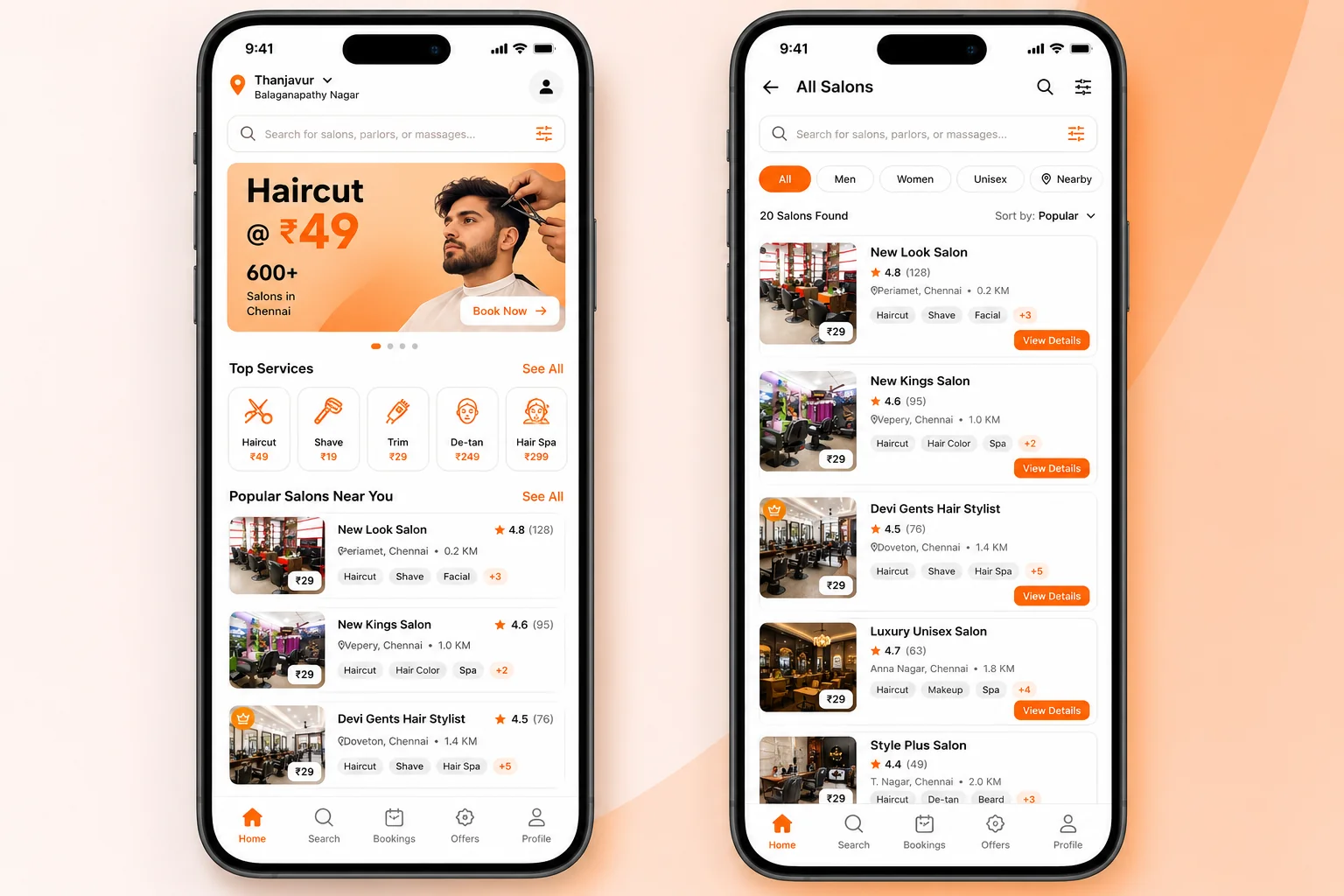
Gloup
A multi-tenant platform built for salon chains.
Multiple locations needed isolated data while still operating from one platform.
Multi-tenant architecture, role-based access, and centralized operations.
The problem wasn't simply “more traffic.” The salon branch data access pattern was mutating concurrently across shifts, requiring atomic isolation without ballooning AWS database instances.
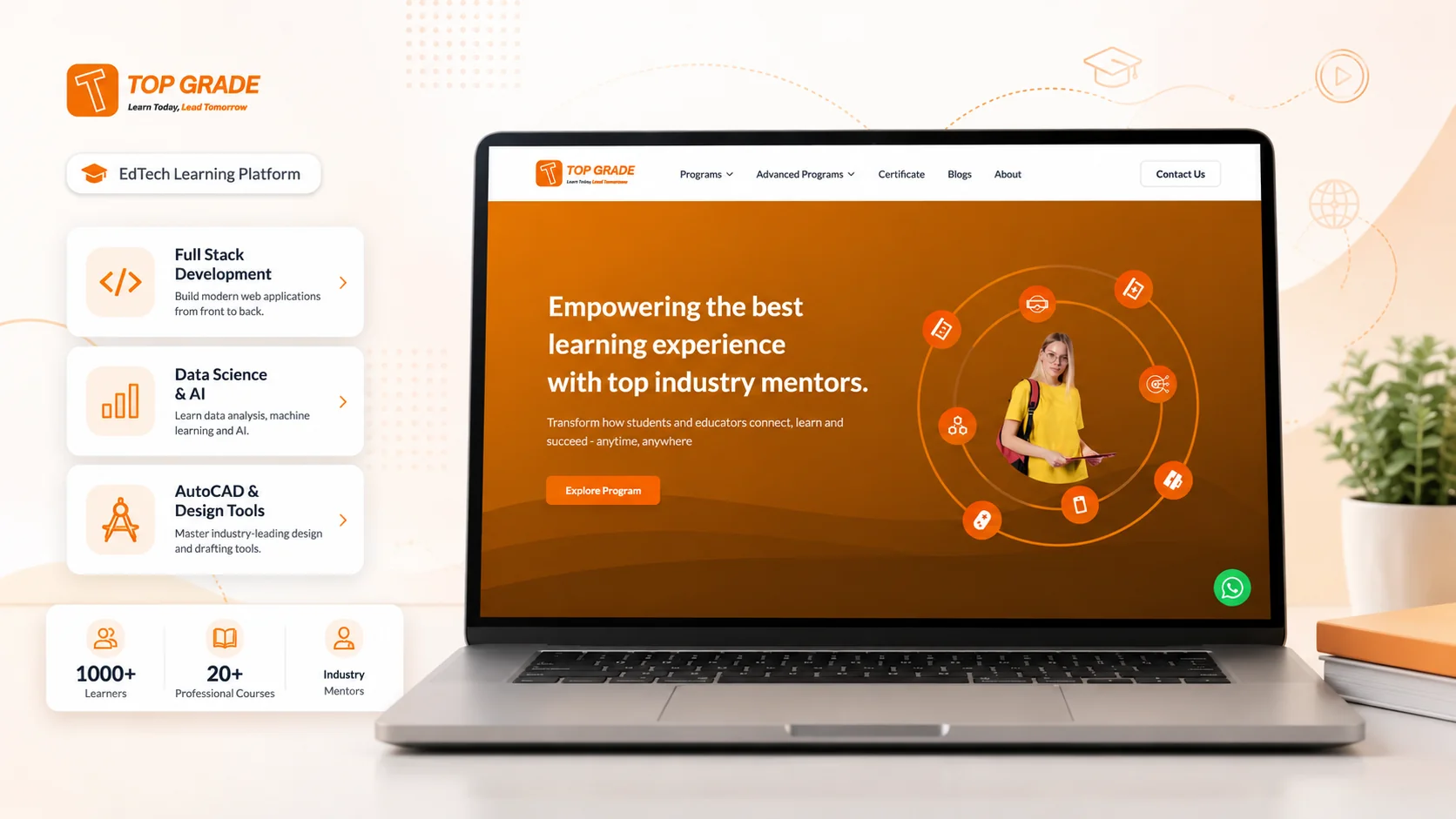
TopGrade
Scaling learning workflows across institutions.
Partitioning institutional tenancy at the database schema level eliminated noisy-neighbor bottlenecks during peak exam hours.

Hita
Performance under catalogue and transaction growth.
The problem wasn't simply more traffic. The data access pattern was mutating on catalogue queries—flattening projections and adding an edge cache dropped latency by 68%.

You'll talk to the person doing the work.
I started Tenlyr around a simple observation: most product problems don't start as big problems.
A slow query. A workaround. A feature that's getting harder to change. An AI workflow that works in a demo but becomes expensive in production.
Eventually, those small decisions become the thing slowing the product down. That's the kind of problem I like working on.
We got tired of rebuilding the same foundations.
Authentication. Organizations. Permissions. Multi-tenancy. Core APIs. Infrastructure. So we built our own foundation layer.
Tenant isolation, automated tenant context switching, schema/database scoping, and connection pool isolation.
Something is getting difficult?
You don't need to know exactly what's wrong before talking to us. Tell us what's happening. We'll figure out whether there's actually a problem worth solving.
30-minute conversation · No sales deck · No commitment